How to Give a Great Interview: Media Training for Architects and Design Brands
You've successfully captured the interest of the design press and your first interviews are lined up. While many journalists will offer interviewees the opportunity to review a text before publication, they are under no legal obligation to do so. That's why it's important to think carefully in advance about what you want to say, and how you want to say it.
Here are four simple rules of thumb that will significantly increase the chances of being happy with the final article.
1. Tell Your Own Story
Use the interview to tell your own story rather than positioning yourself in relation to others. In conversation, it feels natural to compare yourself to other brands, studios or companies, whether within or outside your sector. Once written down, however, these comparisons can easily be misinterpreted or taken out of context.
Keep the focus on your own vision, your own work and the story you want readers to remember.
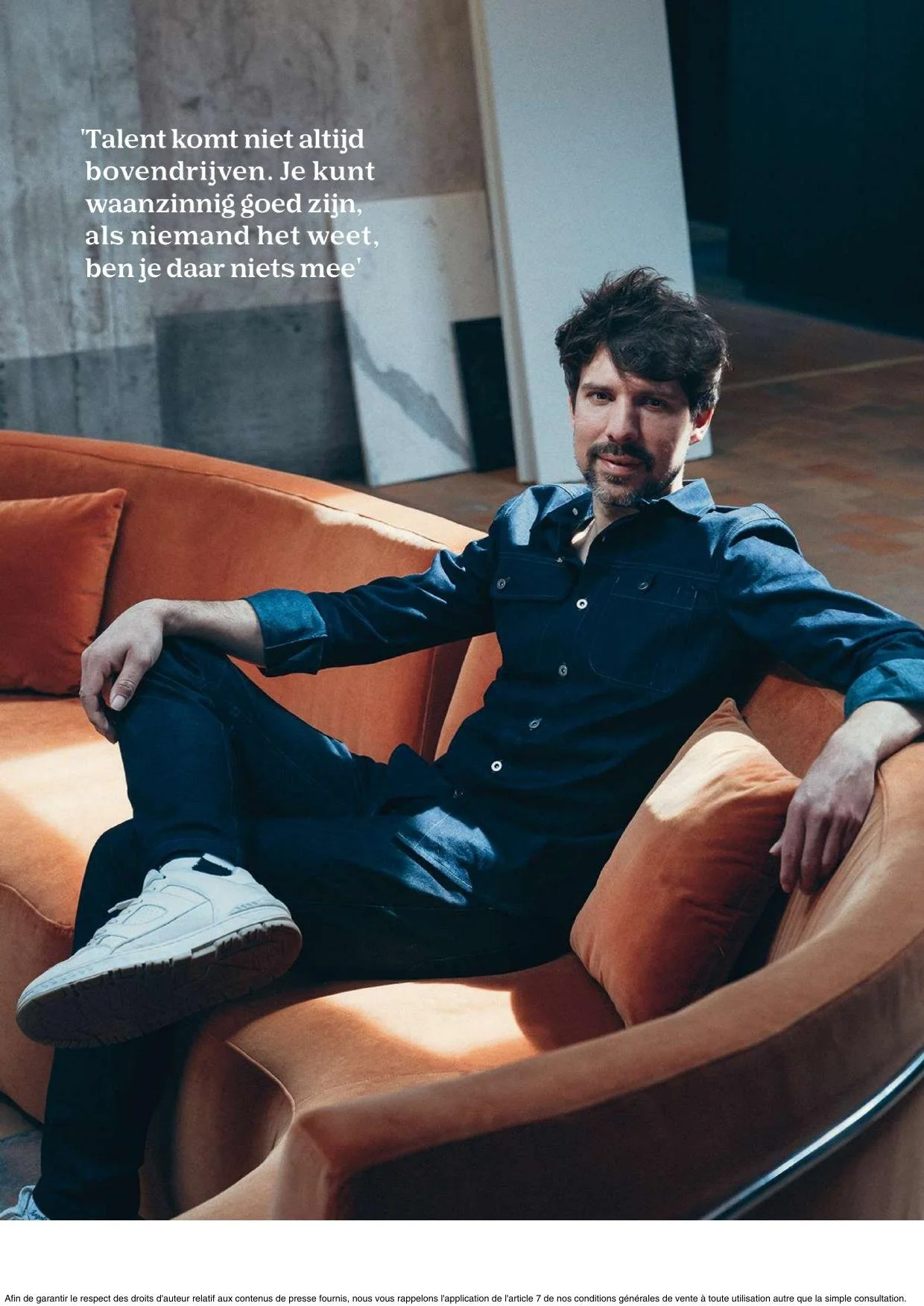
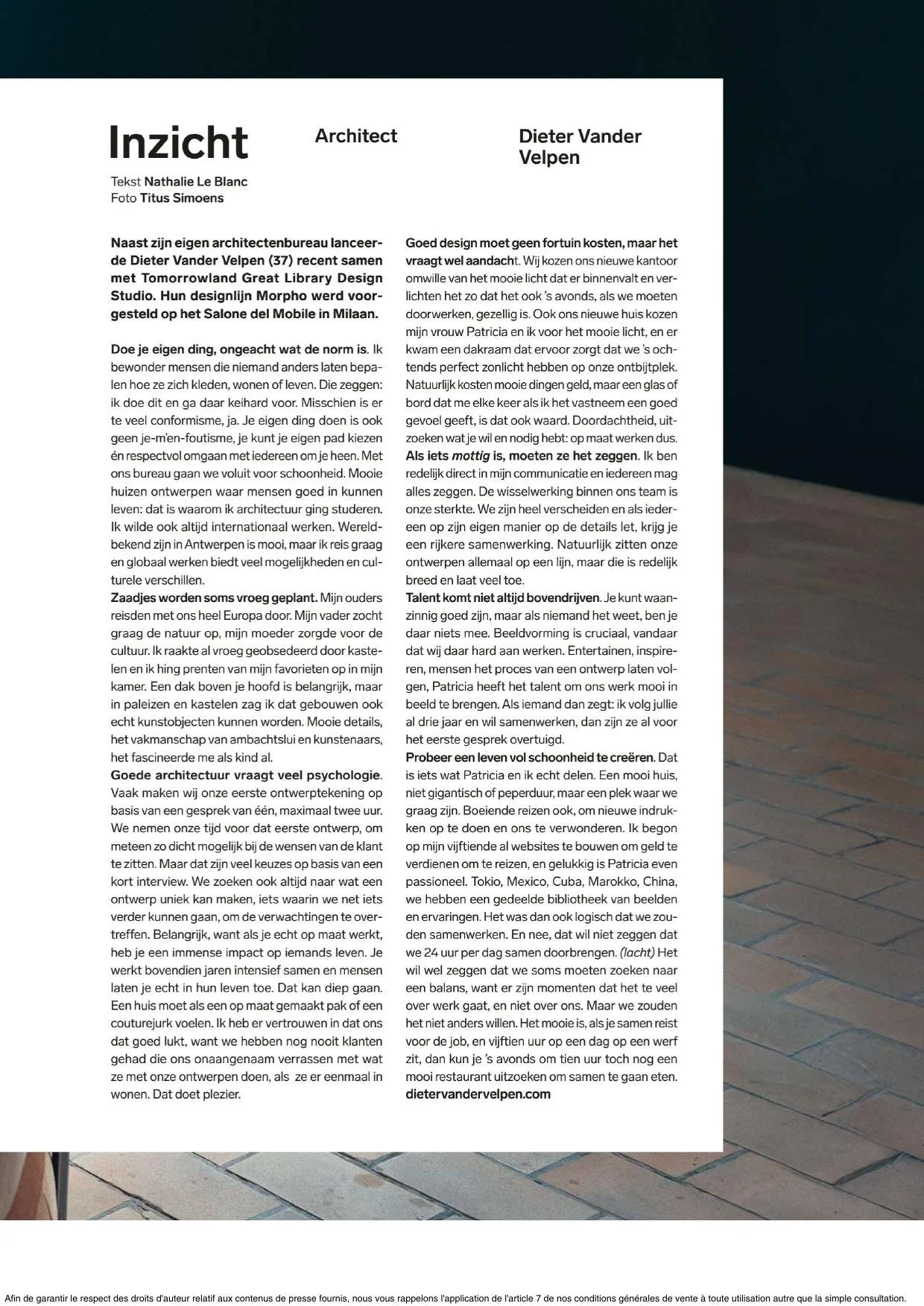
Interview with Dieter Vander Velpen for Knack Weekend2. Stay Positive
Avoid framing your answers in terms of what you didn't do, didn't choose or didn't want.
In conversation, it's tempting to explain a decision by talking about the alternatives you rejected or the clients, collaborators or projects you decided not to pursue. In print, however, readers often remember the association more than the negation. If they do register the negative framing, it can still leave an unintended impression.
Instead, focus on what you did choose, what you believe in and the direction you decided to take. A positive narrative is not only clearer, it also ensures the interview reflects the story you want people to remember.
3. Only Say What you’re happy to see in print
A good rule of thumb is simple: don't say anything you wouldn't be comfortable seeing published.
Even when a conversation moves off the record, everything that is discussed contributes to the journalist's understanding of you, your work and your company. The entire conversation helps shape the tone, angle and content of the final article.
4. The Interview Starts Before the First Question
An interview doesn't begin when the recorder is switched on.
It starts the moment you welcome the journalist. A casual conversation over coffee, a tour of your studio or office, the books on your shelves, the prototypes on your desk, everything communicates something. Whether spoken, visual or atmospheric, these impressions all contribute to the story that will eventually be written.
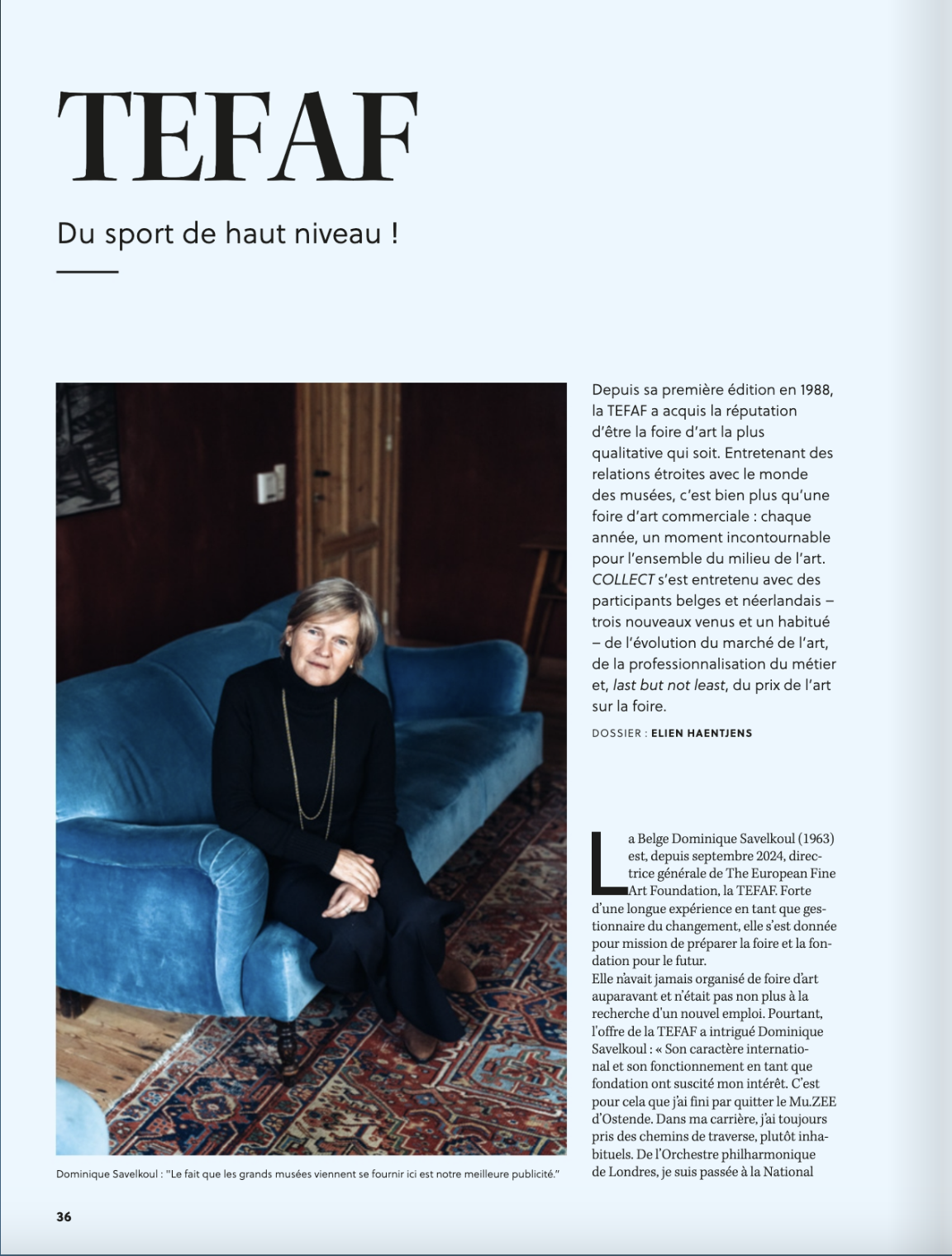
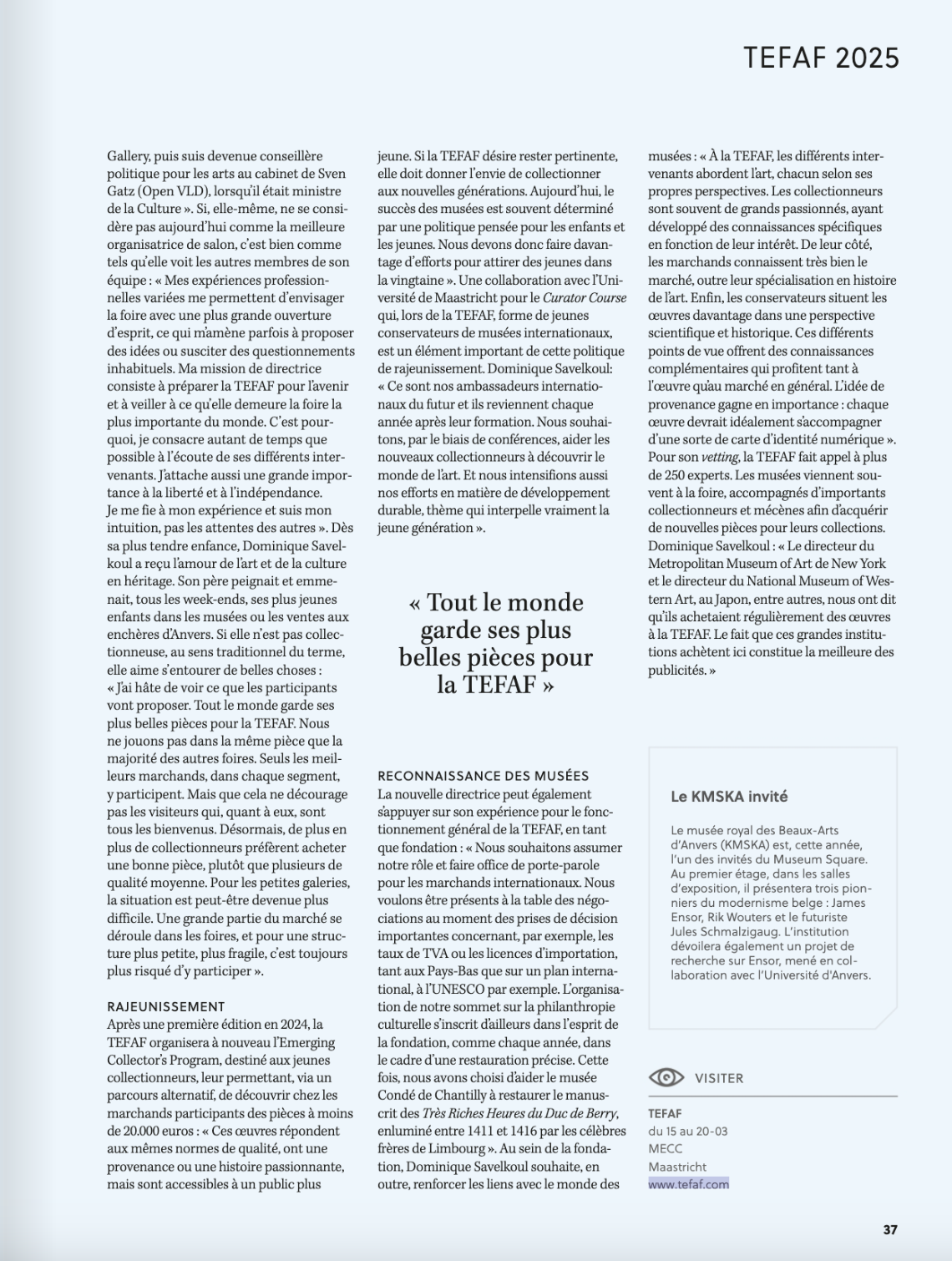
Interview with Dominique Savelkoul for TEFAF in Collect5. Keep it real
Journalists aren't looking for marketing copy. They're looking for genuine stories, personal anecdotes and the thinking behind your work.
If every answer sounds like a polished brand message, the article will often remain superficial. Instead, be authentic. Share the story behind a design decision, the challenge you faced or the unexpected moment that changed the project. Those are the details that make an interview memorable.
Ultimately, a successful interview is one that strikes the right balance between authenticity and restraint, where your story feels personal without oversharing, and considered without sounding rehearsed.
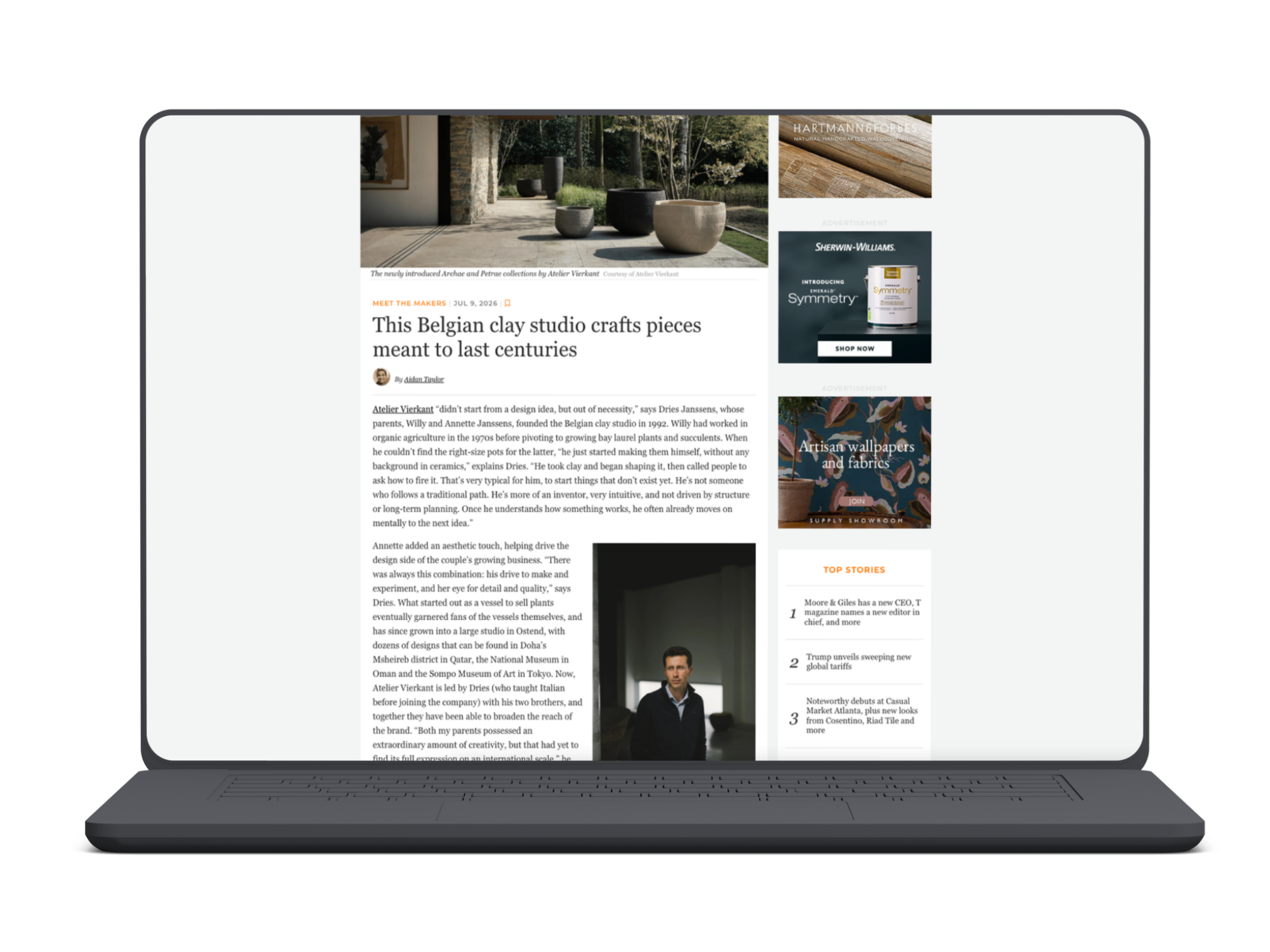
Atelier Vierkant interview for Business of Home