What International Architecture Editors Look for When Selecting Residential Projects
Beautiful architecture alone is rarely enough to secure international publications.
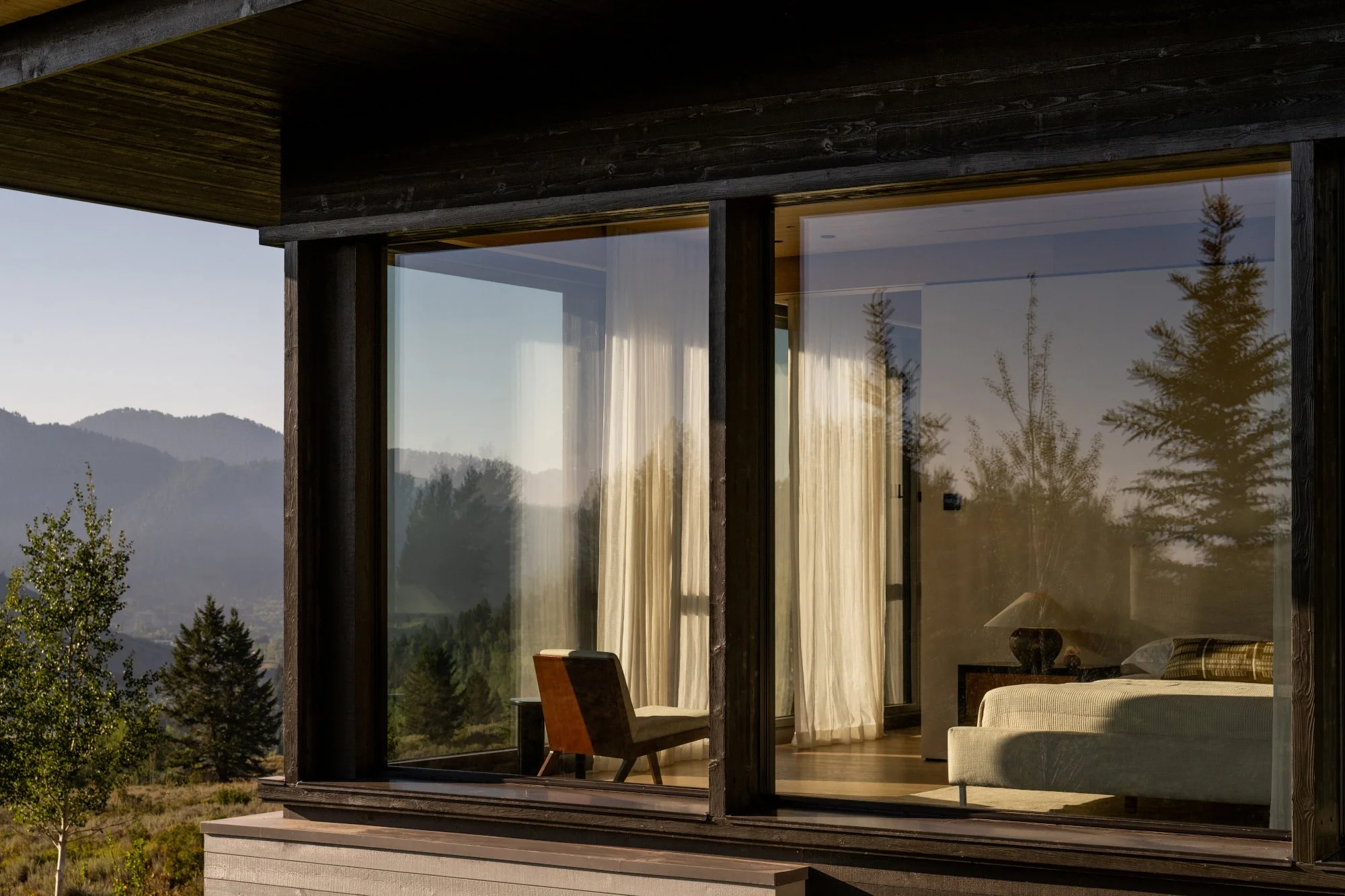
Every year, architecture and design editors receive hundreds of residential projects. While outstanding design is essential, editorial decisions are often influenced by a broader set of criteria. Through years of working with international architecture and design publications, we have found that residential projects are generally evaluated based on four key elements: the story behind the project, its photography, the way the home is inhabited and the potential for editorial exclusivity.
1. A Story Before a Building
International architecture publications rarely select projects based on aesthetics alone. Editors are looking for stories that offer their readers something beyond beautiful images.
Sometimes that story is rooted in the architect's vision or design philosophy. In other cases, it is the owners themselves who make the project compelling. Are they recognised within their field? Are they willing to be interviewed, photographed and share the story behind their home? Readers increasingly want to understand not only how a project was designed, but also who lives there and why certain decisions were made.
The strongest residential features often combine architecture with a broader narrative, whether that relates to the history of a building, a unique material approach or the personal world of its inhabitants.
2. Photography Creates the First Editorial Impression
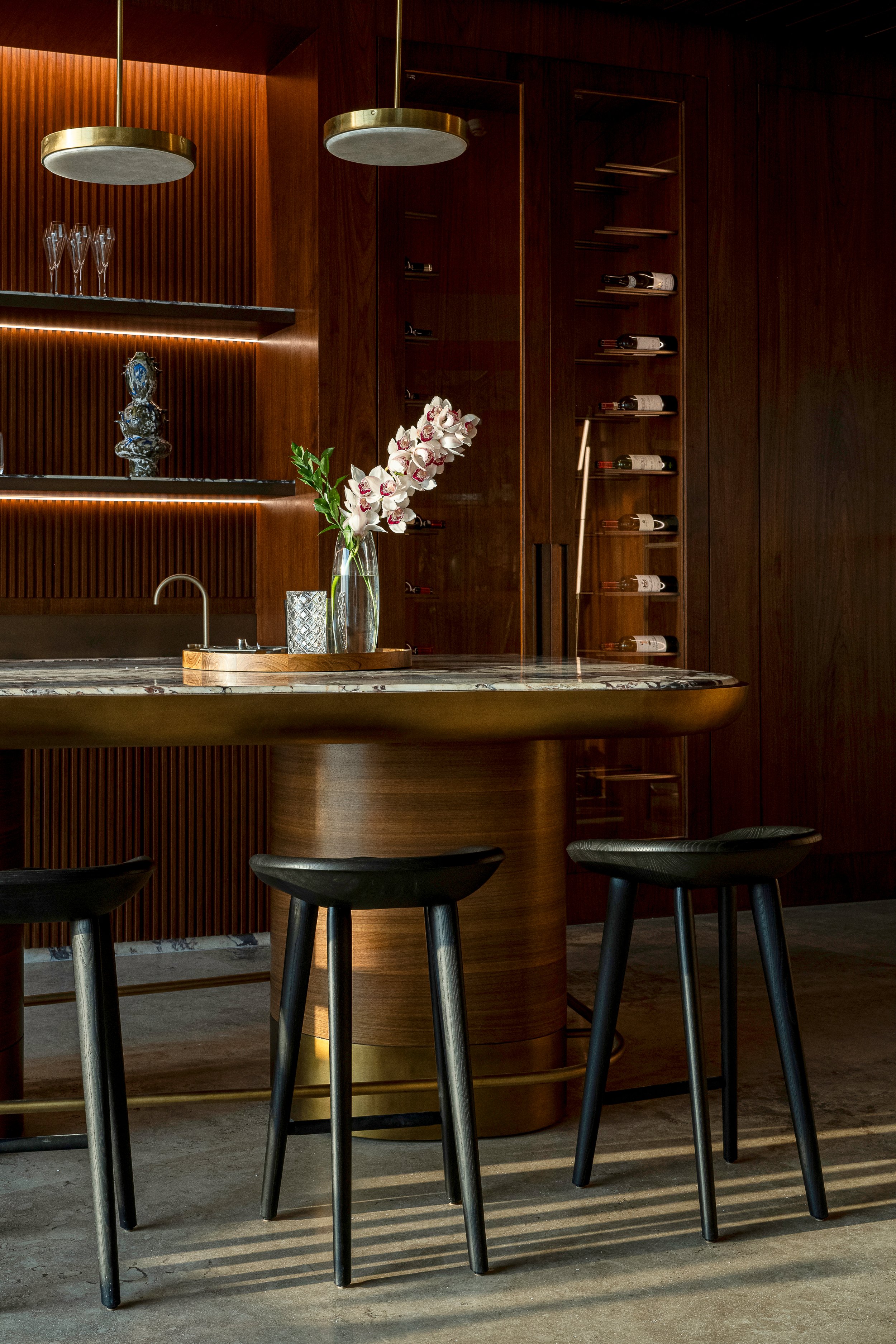
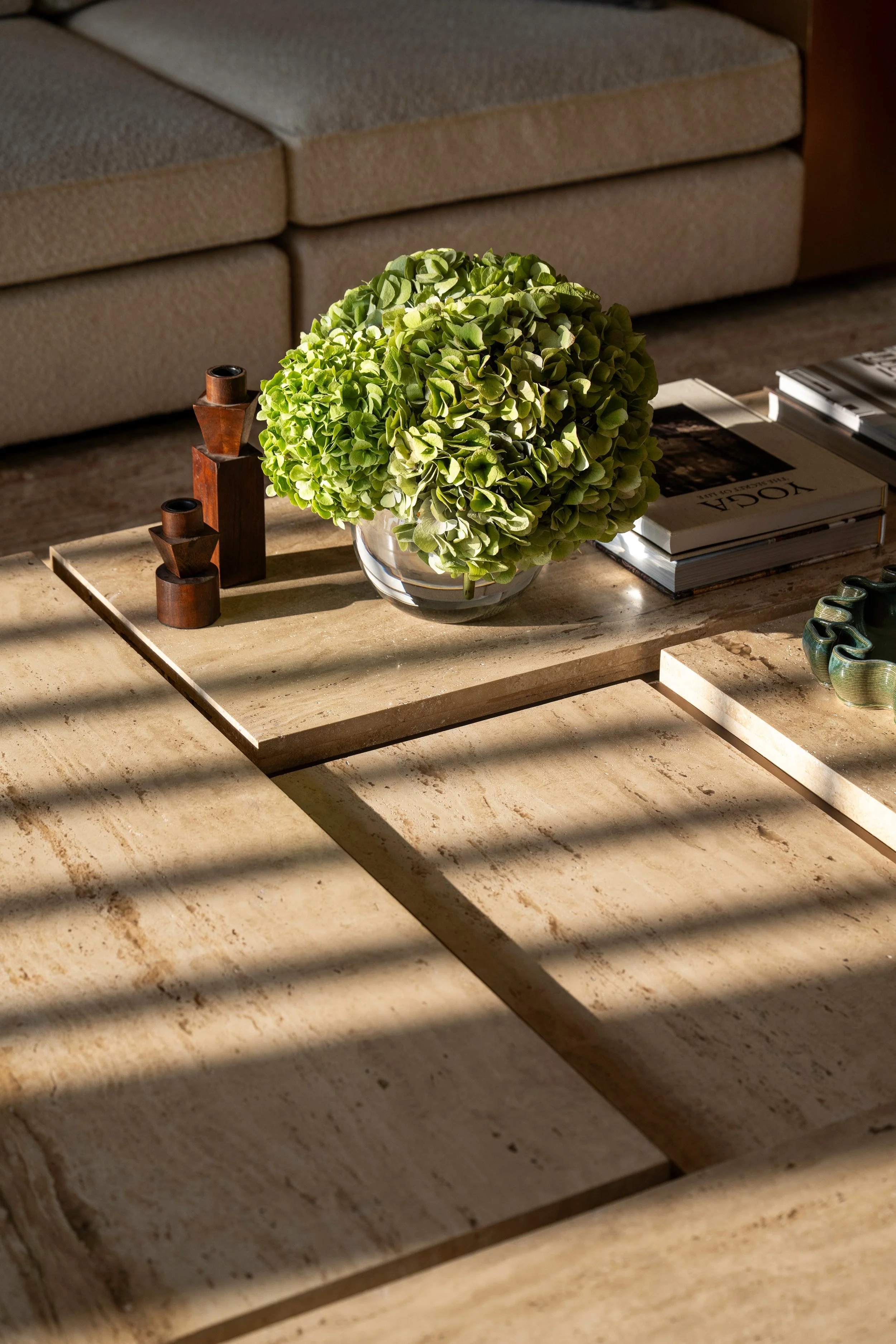
Photography has become one of the most important selection criteria for international publications.
Many magazines no longer organise their own photography and therefore rely on the images provided by architects. As a result, photography needs to align with the publication's editorial identity from the very first impression.
Many international print publications develop relationships with photographers whose visual language complements the aesthetic of the magazine. For architects, working with photographers whose style naturally fits their target publications can therefore significantly increase the chances of publication.
Photography trends also evolve continuously. Over the past decade, residential interiors have shifted from bright, minimalist imagery to darker, moodier photography, before moving towards warmer, atmospheric images that balance natural light with a lived-in feeling. Online publications generally allow for greater visual diversity, while print titles often maintain a more consistent photographic language.
3. Homes Need to Feel Lived In
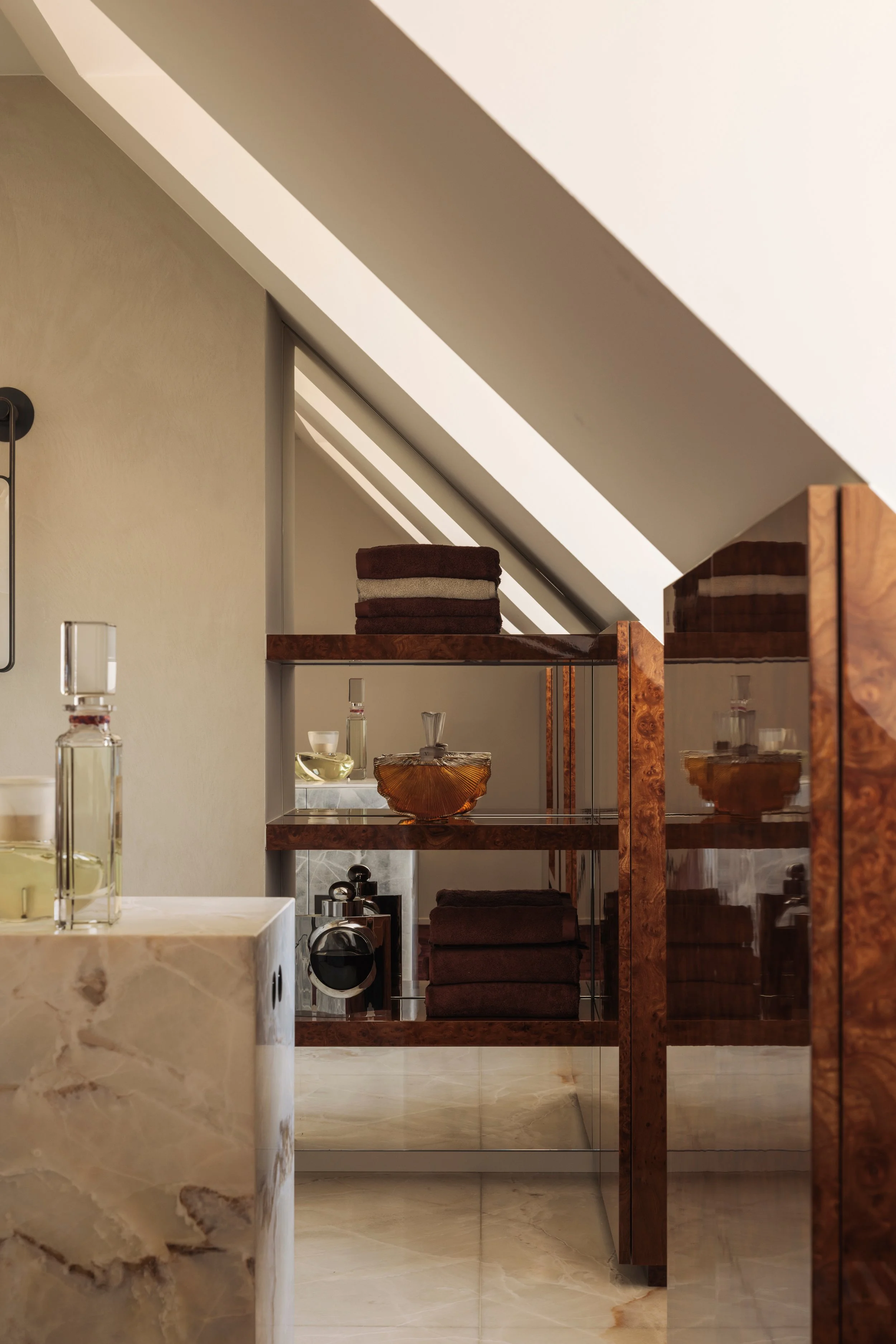
The way a project is styled has also evolved significantly. Where newly completed interiors were once preferred, many international publications now look for homes that feel genuinely inhabited. Readers want to understand how architecture functions in everyday life rather than seeing a perfectly staged environment.
For this reason, we often recommend photographing residential projects after clients have lived in them for some time. While this may result in spaces that appear less pristine than immediately after completion, it often produces more authentic imagery. The interaction between the architect's vision and the owner's personal way of living creates a richer story and helps readers imagine themselves within the space.
4. Exclusivity Creates Editorial Value
Editorial exclusivity has become increasingly important within international architecture and design media.
In a digital landscape where images are shared almost instantly, publications are constantly looking for stories that readers cannot find elsewhere. Exclusive features allow magazines to offer original content while maintaining their editorial identity.
For architects, this means that international PR requires a carefully considered publication strategy. Which publication is the strongest editorial fit for a particular project? Which titles should be approached first? And which journalist is best placed to tell the story?
Carefully managing these editorial relationships and publication moments often determines whether a project appears in one publication or continues to generate international visibility across multiple titles over time.
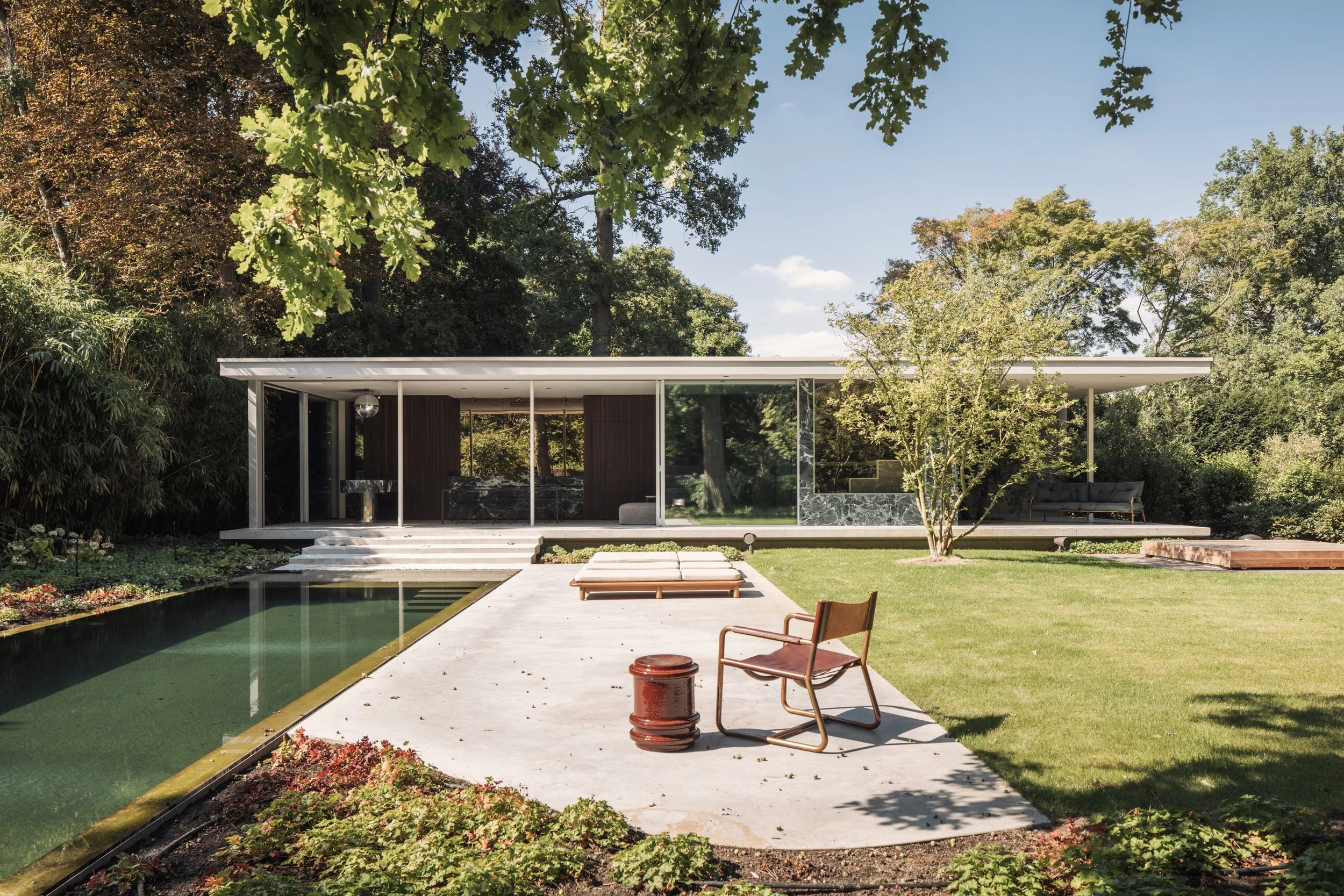
In Summary
Successful international publication is rarely determined by architecture alone. The projects that resonate most strongly with editors combine a compelling narrative, thoughtful photography, authentic styling and a well-planned editorial strategy. Understanding how these elements work together allows architects to present their projects in a way that aligns with the expectations of international design media.